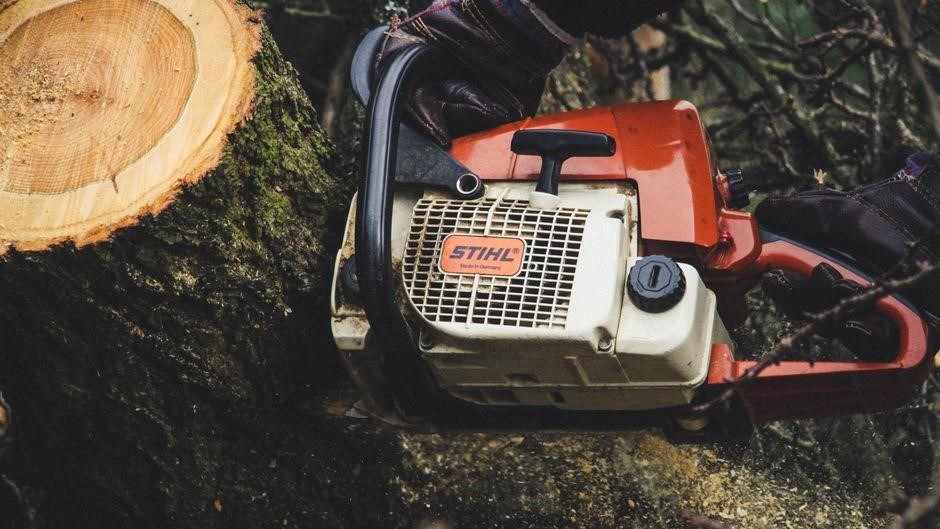
Welcome to the Stihl FS55R owners manual․ This guide equips you with essential knowledge for safe, efficient operation․ Follow the instructions carefully, adhere to maintenance schedules, and enjoy reliable performance on every job․ Refer to safety guidelines and perform routine checks․ daily․ weekly!

SafetyInstructions
Read all safety warnings before use․ Wear protective gear: gloves, goggles, hearing protection, and steel‑toed boots․ Keep the work area clear of flammable materials․ Never operate with a damaged or improperly installed guard․ Followall local regulations and guidelines care!․
Personal Protective Equipment
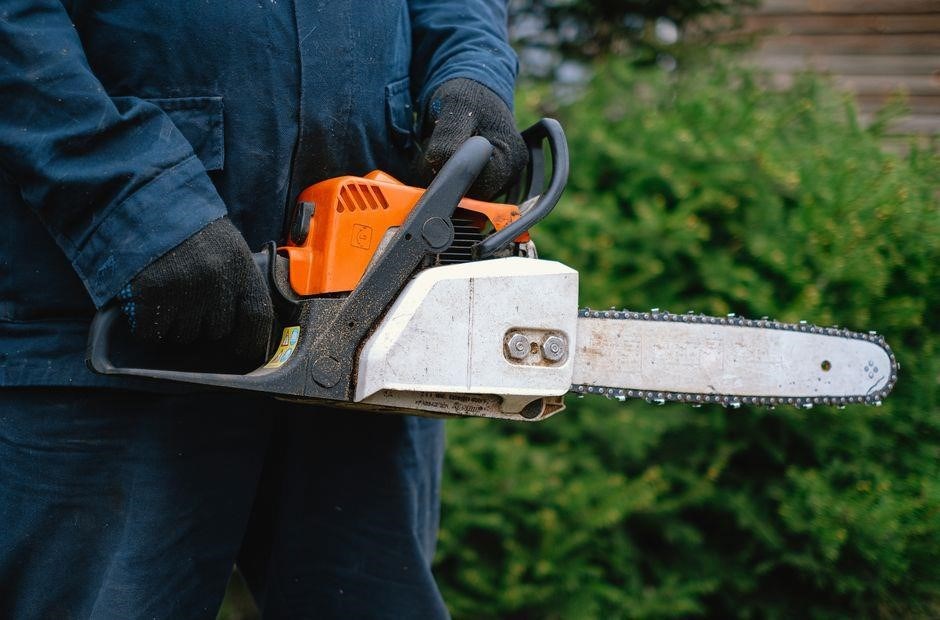
Before operating the Stihl FS55R, ensure you are wearing the appropriate personal protective equipment (PPE) to safeguard against potential hazards․ The recommended gear includes a high‑visibility safety vest, a hard hat, and a face shield or safety goggles to protect against debris, splinters, and airborne particles․ A pair of heavy‑duty work gloves should be worn to protect your hands from cuts, abrasions, and vibration․ Steel‑toed safety boots with a non‑slip sole are essential to prevent foot injuries and provide stability on uneven terrain․ For ear protection, use double‑layer earplugs or earmuffs rated for the machine’s noise level․ Additionally, wear a dust mask or respirator if operating in environments with high particulate matter․ Proper PPE not only protects you but also enhances your control and precision during cutting and riding operations․ Following these guidelines ensures a safe and efficient working experience with your Stihl FS55R․
When selecting gloves, choose models that offer cut resistance and flexibility, ensuring a snug fit to prevent slippage during operation․ Inspect the face shield or goggles for scratches or cracks before each use; replace any damaged components immediately․ Ear protection should be rated for at least 85 dB, and replace earplugs if they become deformed․ Footwear must feature a steel toe cap and a waterproof lining to guard against splashes and debris․ Finally, keep all PPE in a clean, dry storage area to maintain its integrity and!․
Operating Environment
Before using the Stihl FS55R, evaluate the surroundings to ensure a safe and efficient operation․ The machine should be operated on stable, level ground free of obstructions such as rocks, roots, or uneven terrain that could compromise balance․ Keep the area clear of flammable materials and maintain a minimum clearance of 3 ft from structures, power lines, and other equipment․ Adequate lighting is essential; if working at dusk or dawn, use portable lights or work during daylight hours․ Ensure the temperature does not exceed the manufacturer’s limits; operating in extreme heat or cold can affect engine performance and operator safety․ The ambient humidity should be moderate; excessive moisture can lead to corrosion or electrical issues․ Avoid operating in wet or muddy conditions unless the machine is rated for such environments, as traction loss can cause accidents․ Maintain a well‑ventilated area to dissipate engine fumes and reduce the risk of inhalation․ Keep the workspace free of loose clothing, jewelry, or long hair that could become entangled in moving parts․ Store the machine in a dry, covered area when not in use to protect it from dust, rain, and temperature extremes․ By adhering to these environmental guidelines, operators can maximize performance, extend the machine’s lifespan, and ensure a safe working environment for all personnel involved․ Operators should also verify that all safety interlocks are functioning and that the machine’s emergency stop is easily accessible․ This ensures compliance protects operators daily․!
Electrical Safety
The Stihl FS55R is a gasoline‑powered machine; however, it contains electrical components such as the ignition system, battery charger, and optional accessories․ Operators must observe the following precautions to prevent shock, fire, or damage․ 1․ Inspect all wiring, connectors, and fuses before each use․ 2․ Keep the ignition key in the OFF position when the engine is not running․ 3․ Do not use the machine near flammable liquids or vapors․ 4․ Ensure the battery charger is connected to a grounded outlet and that the charger’s cord is in good condition․ 5․ When charging, keep the machine in a well‑ventilated area to avoid accumulation of fumes․ 6․ Do not touch exposed metal parts of the charging unit while it is connected to a power source․ 7․ If the machine is equipped with an electric start, keep the start button clear of debris and ensure the battery is fully charged․ 8․ In case of a fault, disconnect the battery and replace the fuse or contact a qualified service center․ 9․ Never attempt to repair electrical components unless you are trained․ 10․ Store spare fuses and a spare battery in a dry, cool place․ Following these guidelines will help maintain the electrical integrity of the FS55R and protect users from injury․ Always refer to the detailed wiring diagram in Appendix C and keep all electrical components dry and free from corrosion to ensure optimal performance and safety․ If any electrical fault is suspected, immediately disconnect the battery and consult the service manual before attempting repairs․ —stay safe!
Machine Overview
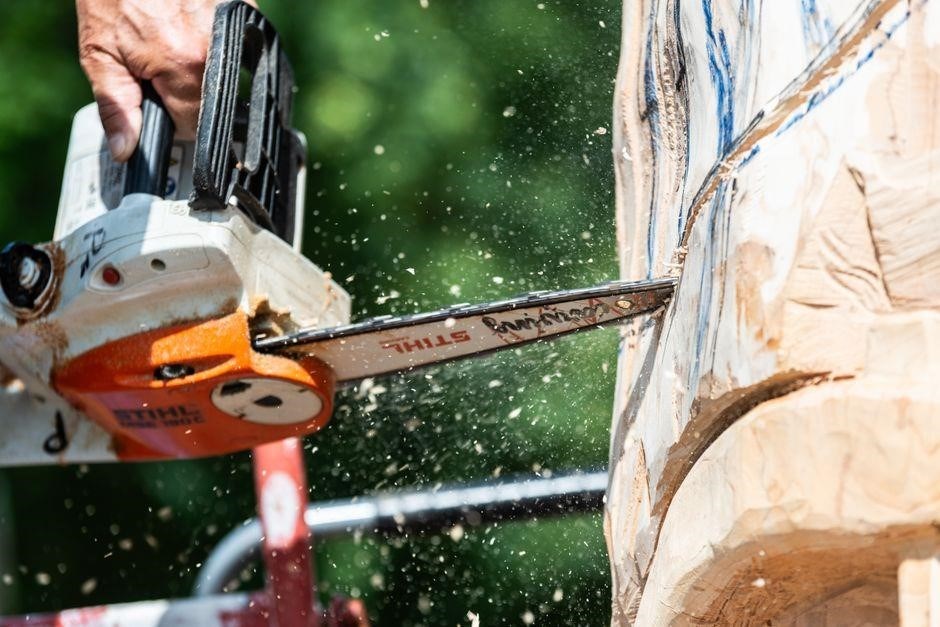
The Stihl FS55R is a lightweight, high‑performance brush cutter designed for residential and commercial use․ It features a 55 cc engine, ergonomic handle, and adjustable cutting height, delivering reliable power and ease of handling in varied terrain․ Suitable for all terrains․!
Key Components
The Stihl FS55R is engineered around several essential components that work together to deliver reliable performance․ At its core is a 55 cc, 4‑stroke engine that produces 2․5 hp at 6,500 rpm, providing sufficient power for cutting brush, light trees, and dense vegetation․ The engine is protected by an air‑cleaning system that filters dust and debris, extending engine life․ A lightweight, high‑strength steel frame supports the cutting head and allows maneuverability in tight spaces․ The cutting head itself is adjustable from 12 in to 24 in, giving operators flexibility for different vegetation densities․ An ergonomic handle, molded from durable polypropylene, offers a secure, non‑slip grip and reduces operator fatigue․ A quick‑release lever enables blade changes in seconds, while a safety lock prevents accidental ignition․ Hydraulic brakes deliver instant stopping power, essential for safety․ The throttle is adjustable, allowing fine control over cutting speed․ A fuel gauge displays remaining fuel, and the 5‑gal tank holds enough for extended work sessions․ A 4‑bar pressure regulator maintains consistent fuel pressure, ensuring reliable engine performance․ Protective guard shields the user from debris․ Additional components include a spark plug, battery, oil reservoir, gearbox, drive belt, and cooling fan, all designed to meet rigorous safety standards and withstand harsh outdoor conditions․ The lubrication system uses a 0․5‑liter oil reservoir and a fuel‑oil mixing ratio of 1:50, ensuring proper engine lubrication․ The gearbox is a 3‑speed unit with a gear ratio of 1:3․5, providing smooth power transfer․ The drive belt is a reinforced rubber belt rated for 200 kN, and the cooling fan is a 120 mm axial fan that maintains optimal engine temperature․ All components are assembled with precision, ensuring durability and ease of maintenance for years of dependable service․
Identification Numbers
The Stihl FS55R carries several identification numbers that help you verify authenticity, track service history, and comply with regulatory requirements․ The serial number, located on the engine block near the crankshaft, is a unique 10‑digit code that identifies the exact unit produced․ The model number, printed on the frame and on the user manual, confirms the FS55R designation․ The VIN, or Vehicle Identification Number, is a 17‑character alphanumeric code that links the machine to its manufacturing batch and permits warranty claims․ The part number for the cutting head, found on the blade mounting plate, ensures you order the correct replacement․ The fuel filter part number, stamped on the filter housing, allows the engine to keep the engine clean․ The engine’s oil filter part number, located on the oil filter housing, ensures proper lubrication․ The battery’s part number, printed on the battery case, guarantees correct voltage and capacity․ The safety lock’s part number, affixed to the lock mechanism, guarantees proper fit․ The hydraulic brake’s part number, located on the brake housing, ensures correct pressure․ The gearbox’s part number, printed on the gearbox housing, guarantees proper gear ratios․ The air filter’s part number, stamped on the filter housing, ensures proper airflow․ All these numbers are critical for troubleshooting, ordering parts, and maintaining warranty coverage․ Keep a record of each number and consult the manufacturer’s database for any updates or recalls․ Ensure all numbers are stored securely․!!!!!

Operating Procedure
Start the FS55R by checking fuel level, ensuring safety lock is disengaged, and applying parking brake Turn key to ON, wait engine warm, then engage throttle Follow recommended cutting speed maintain steady rhythm for optimal performance and keep the blade sharp for safety !
Start-up Process
Before starting the FS55R, ensure the fuel tank is full and the oil reservoir is at the correct level․ Verify that the safety lock is disengaged and the parking brake is engaged․ Inspect the blade for damage and confirm it is properly secured․ Check the spark plug for fouling and clean or replace as needed․ With the engine off, insert the key into the ignition and turn it to the ON position․ Allow the engine to warm for at least 30 seconds before engaging the throttle․ Once the engine has reached operating temperature, release the parking brake and begin cutting․ Maintain a steady rhythm and keep the cutting head at a consistent angle to avoid overheating․ After each session, turn the key to the OFF position, allow the engine to cool, and perform a quick visual inspection of the blade and safety components․ This routine ensures optimal performance and longevity of the machine․ Prior to ignition, inspect the battery terminals for corrosion and ensure a firm connection․ Verify that the coolant reservoir is at the recommended level to prevent overheating during operation․ Check the air filter for blockage and clean or replace if necessary․ After completing the start-up routine, perform a quick test run at low speed to confirm all systems are functioning correctly before proceeding to full workload․ Finally, before starting full operation, ensure the hydraulic system is leak‑free, the pressure gauge reads correctly, and all safety guards are in place; a pre‑run check will help avoid downtime and keep safety high․
Cutting and Riding
When operating the Stihl FS55R, maintain a steady cutting rhythm and keep the blade at the recommended angle․ Begin by positioning the machine at a 45° angle to the cut line, ensuring the cutting head remains level․ Use the throttle to control speed, and adjust the blade depth by rotating the depth adjustment knob․ Keep the machine’s weight evenly distributed to avoid binding․ When riding, keep both hands on the handles and your feet firmly planted on the footrests․ Use the rear brake to stop quickly, and the front brake to control speed on slopes․ Always check for obstructions before each pass․ If encountering uneven terrain, pause, reposition, and resume․ After cutting, inspect the blade for wear and replace if necessary․ Keep the machine clean by wiping the cutting head and removing debris․ Follow the manufacturer’s recommended maintenance schedule to ensure optimal performance․ Remember to wear appropriate protective gear, including hearing protection, gloves, and safety glasses․ Proper cutting technique reduces strain and extends the life of the FS55R․ Operators should also monitor the machine’s vibration levels, as excessive vibration can indicate blade imbalance or worn bearings․ Adjust the blade alignment using the manufacturer’s alignment tool before each job․ Keep the cutting head free of sap and debris to maintain a clean cutting surface․ When operating on slopes, use the front brake to control descent speed and avoid wheel lock․ For long runs, schedule short breaks to prevent operator fatigue․ Check daily!!? Ensure the machine’s hydraulic reservoir is filled to the marked level and check for leaks after each use․ Proper lubrication of the chain and drive sprocket extends component life․ If the engine stalls, inspect the fuel filter and spark plug for fouling․ Always keep a first‑aid kit and fire extinguisher within reach․

Maintenance Schedule
Follow the Stihl FS55R maintenance schedule: perform daily visual checks, weekly blade cleaning, monthly oil and filter changes, and quarterly hydraulic fluid replacement․ Adhere to the manufacturer’s service intervals to ensure optimal performance and longevity․Checkhydraulic leveland inspect for leaks

Routine Maintenance
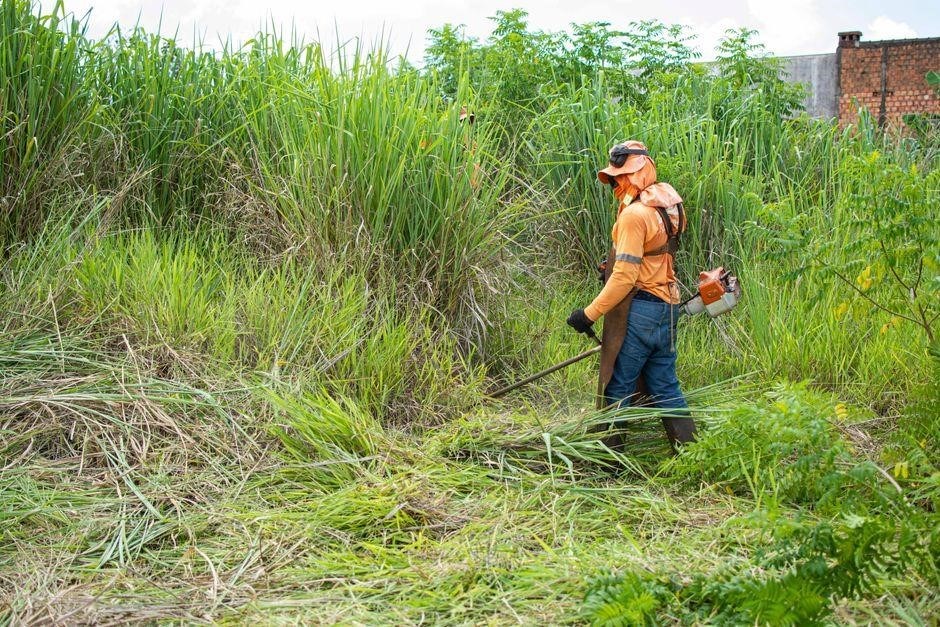
Regularly inspect the hydraulic reservoir for leaks and ensure the pressure gauge remains within the specified range․ Check the hydraulic hoses for cracks, bulges, or signs of wear, tightening any loose fittings․ Verify that the drive belt is free of fraying and has the correct tension; replace it if it shows any signs of stretching․ Clean the air filter monthly to maintain optimal airflow, removing accumulated dust and debris․ Inspect the safety guard and blade guard for proper alignment and secure mounting․ Store the machine in a dry, covered area to prevent corrosion and damage․ Test the emergency stop function monthly to confirm immediate shutdown capability․ Keep the machine’s exterior free of dirt and moisture to prevent corrosion․ Inspect guard and check․
Perform a thorough inspection of the hydraulic reservoir for any signs of leaks, ensuring the pressure gauge reads within the specified range․ Check the hydraulic hoses for cracks, bulges, or signs of wear, tightening any loose fittings․ Verify that the drive belt is free of fraying and has the correct tension; replace it if it shows any signs of stretching․ Clean the air filter monthly to maintain optimal airflow, removing accumulated dust and debris․ Inspect the safety guard and blade guard for proper alignment and secure mounting․ Store the machine in a dry, covered area to prevent corrosion and damage․ Keep the machine’s exterior free of dirt and moisture to prevent corrosion․ Inspect guard and check․
Fuel and Oil Care
Use only the recommended fuel type for the Stihl FS55R, ensuring it is fresh and free from water or contaminants․ Before each use, check the fuel level and top up with the correct octane rating, following the manufacturer’s guidelines․ When refueling, keep the engine off and allow the fuel to settle for a few minutes to avoid vapor ingestion․ For oil, use the specified synthetic blend or mineral oil as indicated in the owner’s manual․ Change the oil at the intervals recommended in the maintenance schedule, typically every 50 hours of operation or at the first sign of contamination․ Inspect the oil filter regularly, replacing it if it shows signs of clogging or oil residue․ Keep the oil reservoir clean and store the machine in a dry area to prevent moisture buildup․ Monitor oil pressure with the gauge, ensuring it remains within the safe operating range․ If oil pressure drops, shut down the machine and inspect for leaks or blockages․ Maintain a log of all oil changes, noting the date, mileage, and oil type used․ Proper fuel and oil care extend the machine’s life and ensure reliable performance․ Always check the oil level before each session; a low level can cause overheating damage to the hydraulic system․ If you notice any unusual noise or vibration during operation, stop the machine and inspect for leaks or blockages․ Maintain a clean working area; debris on the hydraulic reservoir or in the filter can lead to contamination and reduced efficiency․ Record all maintenance actions in a logbookreference now․

Troubleshooting & Warranty
When the Stihl FS55R exhibits abnormal behavior, consult the following checklist before contacting service․ First, verify that the fuel and oil levels are correct and that the fuel filter is clean․ If the engine fails to start, inspect the spark plug for fouling or damage and replace it if necessary․ Check the air filter; a clogged filter can reduce airflow and cause misfires․ For hydraulic issues, examine the reservoir for leaks and ensure the hydraulic fluid is at the proper level․ If the machine stalls during operation, verify that the battery is fully charged and that all electrical connections are secure․ For any error codes displayed on the control panel, refer to the code reference table in the manual and follow the prescribed corrective actions․ If troubleshooting steps do not resolve the problem, contact an authorized Stihl dealer․ Warranty coverage applies to manufacturing defects for a period of 12 months from the date of purchase or 12,000 operating hours, whichever comes first․ The warranty does not cover damage from misuse, improper maintenance, or accidental impact․ Service requests must be made through a certified service center, and a service report will be issued upon completion․ Keep all receipts and service records, as they are required for warranty claims․ For extended coverage, consider purchasing the optional extended warranty plan, which offers additional protection and priority service․ Always follow the manufacturer’s safety and maintenance guidelines to maintain warranty validity․ Contact support for help now today․