Lake of the Woods Overview
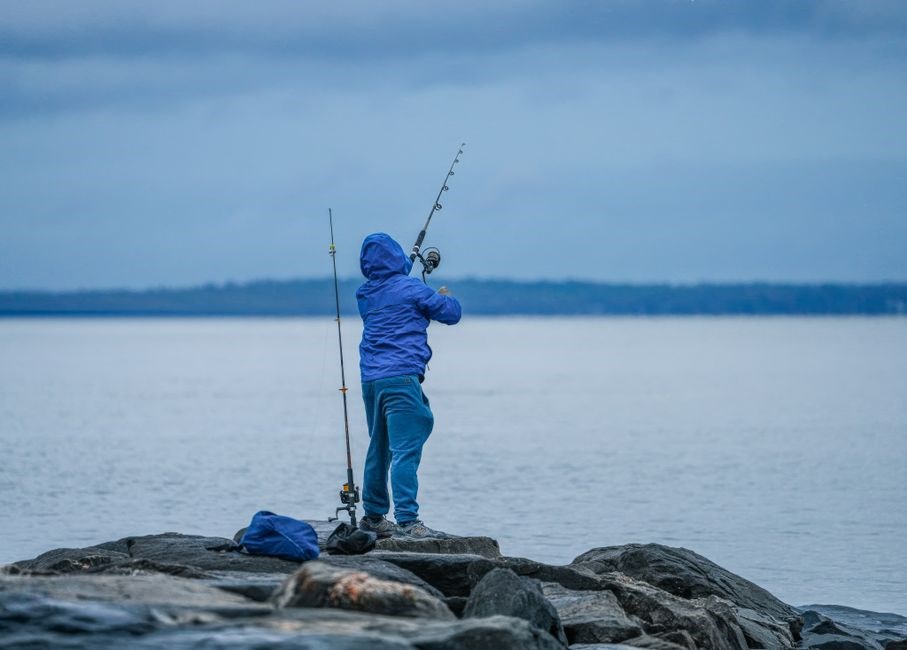
Lake of the Woods, spanning over 300,000 acres, offers anglers diverse habitats․ Its clear waters support robust walleye and sauger populations, while abundant shoreline and islands provide prime fishing spots․ Local guides excel in navigation, safety, and maximizing catch Guides offer gear rentals and tips
Geographic and Ecological Features
Lake of the Woods lies at the intersection of Minnesota, Ontario, and Manitoba, covering more than 300,000 acres of freshwater․ The lake’s average depth is 20 feet, with maximum depths exceeding 70 feet near the central basin, creating diverse thermal layers that support both cold‑water and warm‑water species․ Its shoreline stretches over 1,200 miles, dotted with more than 1,300 islands that provide sheltered bays, spawning grounds, and abundant vegetation such as cattail, bulrush, and willow․ The lake’s water clarity, often reaching 10–12 feet, is maintained by low nutrient runoff and a robust riparian buffer, which also helps control erosion and sedimentation․ Ecologically, the lake hosts a balanced food web: plankton and benthic invertebrates form the base, supporting large predatory fish like walleye, sauger, and northern pike․ Seasonal migrations of whitefish and grayling add to the biodiversity․ The surrounding boreal forest, interspersed with wetlands, offers critical habitat for amphibians, birds, and mammals, making the area a hotspot for wildlife observation․ Conservation efforts focus on protecting shoreline integrity, managing invasive species, and maintaining water quality to ensure sustainable fisheries for future generations․
Additional insights highlight the lake’s role as a migratory corridor for waterfowl and a spawning refuge for juvenile fish․ Seasonal shifts create habitat layers, while wetlands filter runoff, improving clarity and supporting communities that sustain the food web!!? ․
Fishing Season Timelines
Opening day for Minnesota’s 2025 fishing season began on a sunny Saturday, with anglers flocking to Four‑Mile Bay․ The season opens on May 1 extending through September 30 while ice fishing runs from November 1 to March 31 though mild winters shorten ice conditions․ Guides assist!
Opening Day Highlights and Historical Context
Lake of the Woods’ opening day is a storied tradition that draws anglers from across the region․ In 2025, the first day of the season saw a record turnout, with more than 2,000 licensed anglers converging on Four‑Mile Bay for a sunrise launch․ Local guides, many of whom have been operating on the lake for decades, coordinated early‑morning boat rentals, safety briefings, and live‑streamed fishing reports to keep the community engaged․ The day’s festivities included a ceremonial “first bite” ceremony, where a seasoned guide released a walleye into the water, symbolizing the start of a productive season․ Historically, opening day has evolved from a simple gathering of fishermen to a full‑blown event featuring music, food vendors, and educational workshops on sustainable fishing practices․ The Minnesota Department of Natural Resources (DNR) has used opening day as a platform to announce new regulations, such as updated bag limits and gear restrictions, ensuring that the lake’s fish populations remain healthy for future generations․ Guides play a pivotal role in interpreting these regulations for anglers, offering advice on compliant fishing techniques and the best times to target specific species․ The 2025 opening day also highlighted the impact of climate change on lake conditions; mild temperatures delayed ice formation, prompting guides to adjust their ice‑fishing schedules accordingly․ This year’s event underscored the resilience of the local fishing community and the importance of adaptive strategies in the face of shifting environmental conditions․ Local anglers celebrated with a communal potluck, sharing stories of past victories and hopes for the next season․
Popular Fish Species
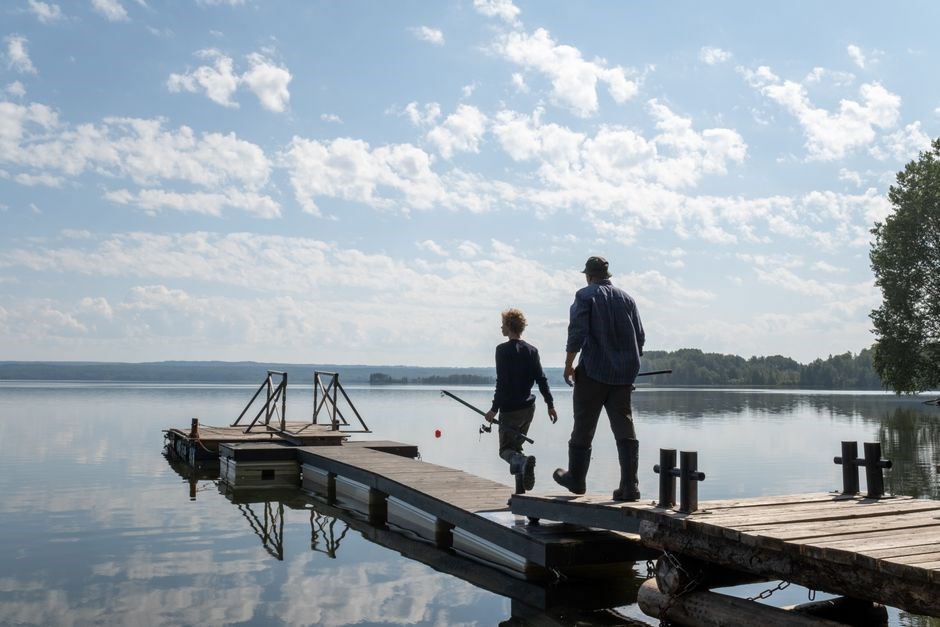
Lake of the Woods hosts prized walleye, sauger, northern pike, and smallmouth bass․ Guides highlight prime spots, seasonal patterns, and ethical catch-and-release practices to protect these thriving populations․ Peak seasons are late spring and early fall, offering varied angling․
Walleye and Sauger Populations
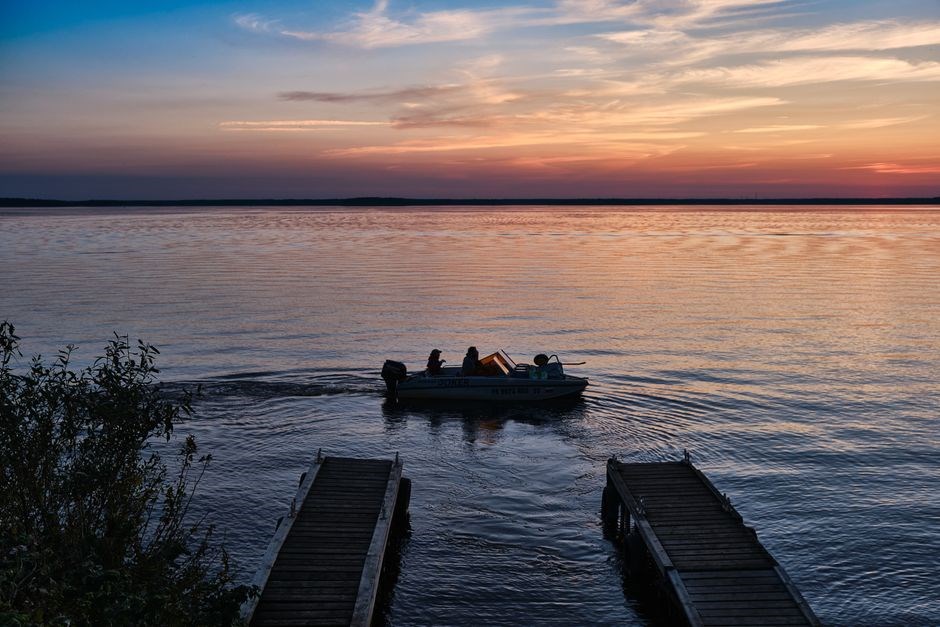
Lake of the Woods sustains robust walleye and sauger communities, thanks to its extensive shoreline, diverse habitats, and well‑managed stocking programs․ According to the Minnesota Department of Natural Resources, the lake’s walleye population has shown steady growth over the past decade, with average weights exceeding 15 pounds during peak season․ Sauger, often called the “silver walleye,” also thrive in the lake’s deep, cold‑water refuges, with many anglers reporting catches that range from 10 to 20 pounds․ Guides emphasize that the best fishing for these species occurs along the northern and western shorelines, where the water is clearer and the fish are more active․ Seasonal patterns reveal that walleye spawn in late spring, making early summer an excellent time for jigging and crankbait techniques․ Sauger, on the other hand, tend to move into shallower bays during late summer and early fall, responding well to live bait such as minnows and worms․ Local guides offer detailed maps of prime walleye and sauger hotspots․ Both species thrive in the lake’s diverse habitats, with walleye favoring cooler waters while sauger prefers shallower bays, ensuring year‑round abundance for anglers․ The guides also advise on bait selection local regulations ! By combining scientific data with on‑the‑ground expertise, anglers can maximize their chances of a memorable catch while supporting sustainable fishing practices that preserve the lake’s rich biodiversity for future generations․
Winter Ice Fishing Dynamics

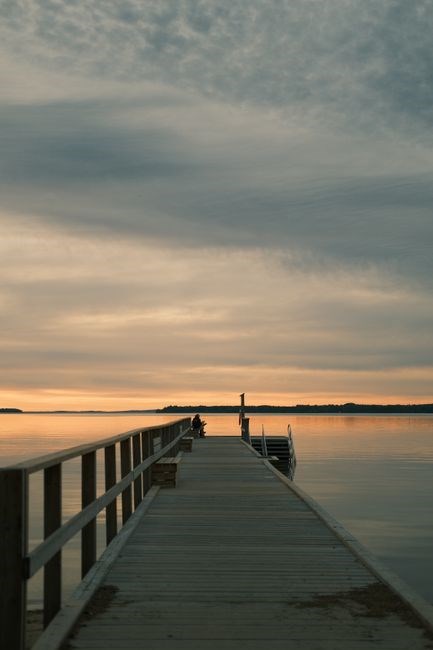
Lake of the Woods’ ice fishing season has been impacted by unusually mild winters, resulting in thinner ice and reduced fishing pressure․ Anglers report fewer ice holes and lower fish activity, prompting guides to recommend early-season trips and caution on ice thickness․ Safety remains paramount․ The lake offers diverse habitats, attracting anglers for trophy walleye and sauger․!!!
Impact of Mild Winters on Ice Conditions
Recent reports from the Minnesota Department of Natural Resources indicate that the 2023‑24 winter brought unusually mild temperatures across the Lake of the Woods region, leading to thinner ice and a significant drop in ice fishing pressure․ According to local guide companies, many anglers postponed their trips, citing safety concerns over weak ice and reduced fish activity․ The lake’s extensive shoreline and numerous islands, once prime spots for walleye and sauger, now require guides to advise early‑season entry and careful ice thickness checks․ Guides emphasize that even when ice appears solid, hidden weak spots can form beneath snow cover, especially in deeper water․ They recommend using portable ice thickness gauges and adhering to the state’s minimum safe ice thickness guidelines․ Additionally, the mild winter has altered fish behavior, with walleye and sauger spending more time near the water’s surface, making surface fishing techniques more effective․ Guides are adapting by offering specialized surface fishing workshops and providing anglers with updated maps that highlight safer ice zones․ Safety remains the top priority, and local guide services are increasing their on‑site safety briefings, ensuring that all anglers are equipped with proper gear, emergency contacts, and knowledge of the latest ice conditions․ The combination of milder temperatures and proactive guide support aims to maintain a responsible and enjoyable ice fishing experience while protecting the lake’s ecological balance․ Guides welcome all anglers! Enjoy fishing with safety and care now
Recent Fish Population Management Plans
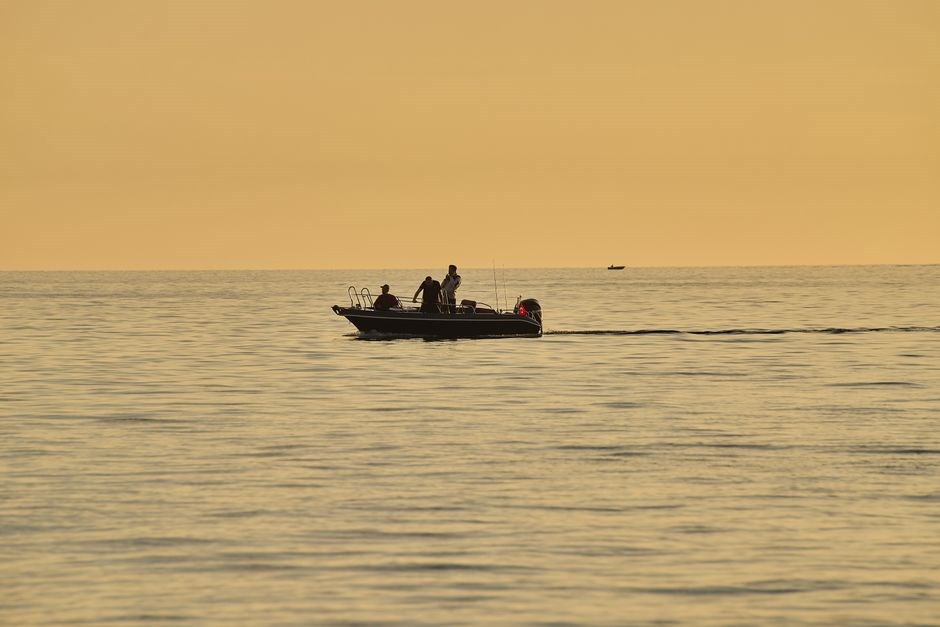
The 2025 plan sets clear goals for walleye and sauger growth, outlining stocking, habitat restoration, and catch‑limit adjustments across the 300,000‑acre lake․ Guides highlight Four‑Mile Bay as a key monitoring site․ The plan enhance habitat supports anglers for
2025 Management Goals and Strategies
The Minnesota Department of Natural Resources released its 2025 Fish Population Management Plan for the Lake of the Woods, a 300,000‑acre expanse that straddles the state line․ The plan’s core objectives center on sustaining robust walleye and sauger stocks while preserving ecological balance․ First, a targeted stocking schedule will introduce age‑classed fingerlings during late winter and early spring, coordinated with seasonal water‑level adjustments to maximize survival rates․ Second, habitat restoration projects aim to enhance spawning grounds: dredging of shallow shoals, replanting of native shoreline vegetation, and installation of artificial structures such as log piles and fish‑friendly docks․ Third, catch‑limit revisions will reduce average harvests by 10% for walleye and 12% for sauger, with a focus on protecting larger, reproductive individuals․ Fourth, a monitoring network of telemetry and acoustic tracking will provide real‑time data on fish movements, allowing adaptive management․ Finally, community outreach will educate anglers on best‑practice harvesting, gear restrictions, and reporting protocols․ By integrating scientific research, stakeholder input, and adaptive policy, the 2025 plan seeks to secure a healthy, sustainable fishery for future generations of Lake of the Woods anglers․
Stakeholders will receive quarterly updates, and a public dashboard will display real‑time data on fish abundance and harvest trends, ensuring transparency and fostering management․!
Top Fishing Guide Services
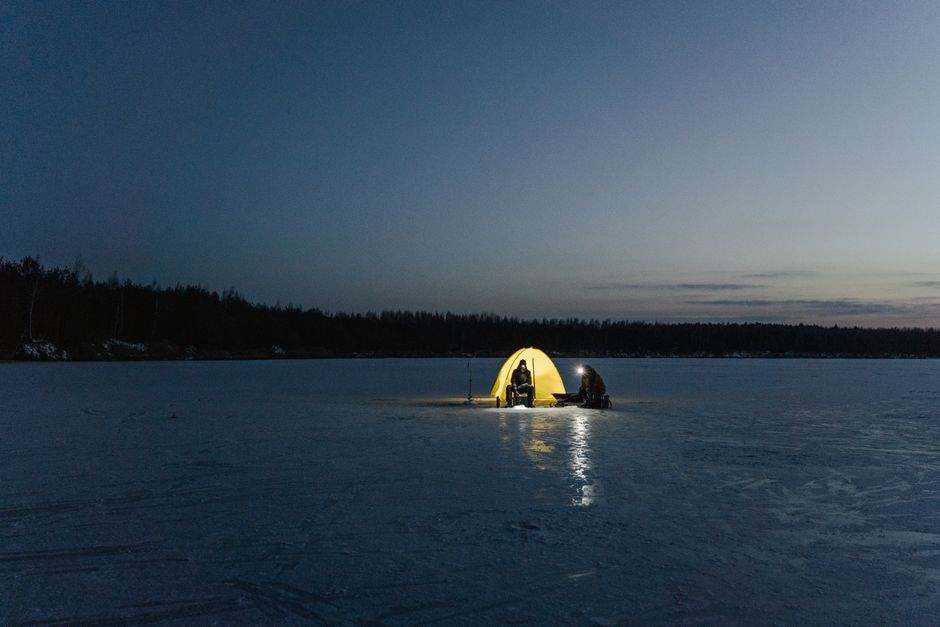
Leading guides on Lake of the Woods include Lake of the Woods Anglers Guide Co․, Northern Waters Guides, and Superior Lakes Outfitters․ They offer tailored trips, gear rentals, and local expertise for walleye, sauger, and ice fishing․ Book a trip today for top lake fishing!!!
Recommended Guide Companies in the Region
For anglers seeking expert guidance on Lake of the Woods, several reputable companies stand out․ Lake of the Woods Anglers Guide Co․ offers year‑long trips, specializing in walleye and sauger fishing, with seasoned guides who know every inlet and bay․ Northern Waters Guides focuses on both freshwater and ice fishing, providing top‑notch gear rentals and safety training for beginners and seasoned pros alike․ Superior Lakes Outfitters delivers customized itineraries, including private charters, and prides itself on eco‑friendly practices that protect local fish populations․ Each company features certified staff, modern vessels, and flexible scheduling to accommodate early‑morning, midday, or sunset sessions․ Whether you’re a first‑time visitor or a seasoned veteran, these guides combine local knowledge, reliable equipment, and a passion for sustainable fishing to ensure memorable trips on one of the region’s most celebrated lakes․
- Lake of the Woods Anglers Guide Co․ – Expert walleye and sauger trips with seasoned guides․
- Northern Waters Guides – Comprehensive ice fishing and freshwater services․
- Superior Lakes Outfitters – Custom itineraries and eco‑friendly practices․
Local guides not only know the best fishing spots but also educate anglers on catch‑and‑release practices, habitat preservation, and seasonal regulations, ensuring the lake’s health for future generations․ Their commitment to stewardship makes every outing both successful and responsible․
Regulations and Licenses
Anglers must hold a valid Minnesota fishing license, plus a Lake of the Woods permit․ Seasonal limits: 2 walleye, 2 sauger per day․ Ice fishing requires an ice permit․ Guides must carry proof of license and adhere to size limits․ Check the latest rules on the Minnesota DNR site before you set out․ stay safe
Licensing Requirements for Lake of the Woods Anglers
To fish legally on Lake of the Woods, anglers must first obtain a valid Minnesota fishing license, purchasable online or at authorized retailers․ A separate Lake of the Woods permit, issued by the Minnesota Department of Natural Resources (DNR), is required for the entire lake, including the Manitoba and Ontario portions․ The permit is available in paper or electronic form; the DNR website offers a QR code for quick verification at inspection points․ Winter anglers need an ice fishing permit, mandatory for anyone fishing on the lake’s ice․ This permit is issued by the same DNR office and includes a safety checklist with required gear such as a rated ice auger, personal flotation device, and certified ice thickness gauge․ All permits must be valid for the entire trip; a single day’s permit does not cover multiple days or trips․ Guides must hold a current DNR guide certification, obtained after completing a state‑approved training program․ Anglers traveling with a guide should verify the guide’s license and the guide’s Lake of the Woods certification․ Copies of all permits should be kept on hand, as law enforcement and DNR inspectors routinely conduct spot checks at launch sites, boat launches, and ice fishing access points․ Failure to present valid documentation can result in fines, confiscation of gear, or revocation of fishing privileges for the season․ By staying compliant with these licensing requirements, anglers can focus on enjoying the abundant walleye, sauger, and other species that thrive in the lake’s diverse habitats․ Seasonal limits enforce daily quotas for walleye and sauger, protecting the fishery for future generations and sustainability!!!
Environmental Conservation Efforts
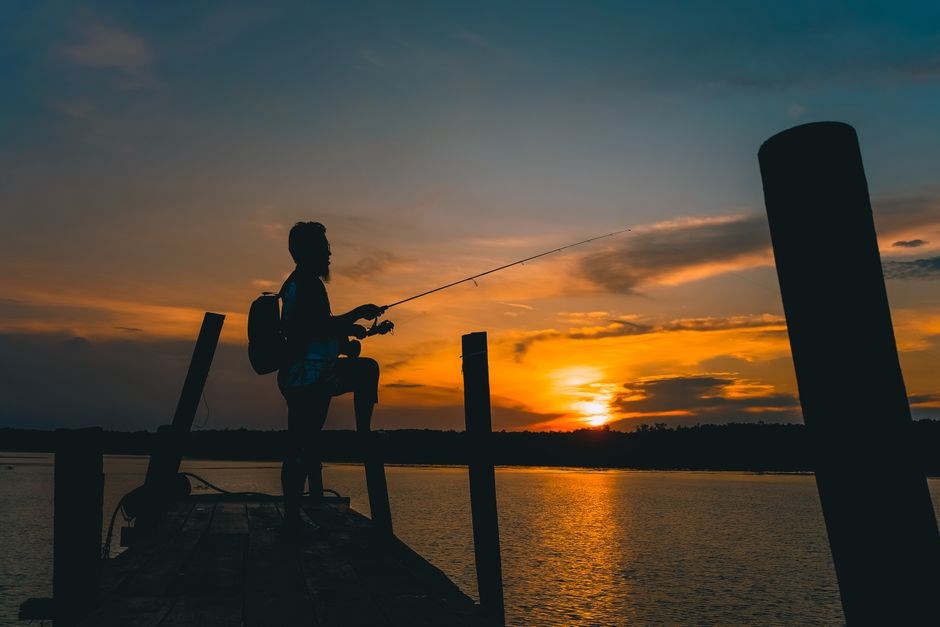
Lake of the Woods is the focus of a multi‑state stewardship program that balances recreational use with habitat protection․ The Minnesota Department of Natural Resources (DNR) has adopted a 2025 management plan that sets measurable goals for walleye and sauger populations, water quality, and shoreline integrity․ Key actions include targeted stocking of juvenile fish, habitat enhancement projects such as re‑vegetation of riparian buffers, and the installation of fish passage structures at critical culverts․
Guides play a pivotal role by enforcing catch limits, educating anglers on “take‑one‑leave‑one” principles, and reporting illegal or suspicious activity․ Many guide companies partner with the DNR to host “Clean‑Up Days” where crews collect debris from launch sites and shorelines, reducing nutrient runoff that can lead to harmful algal blooms․
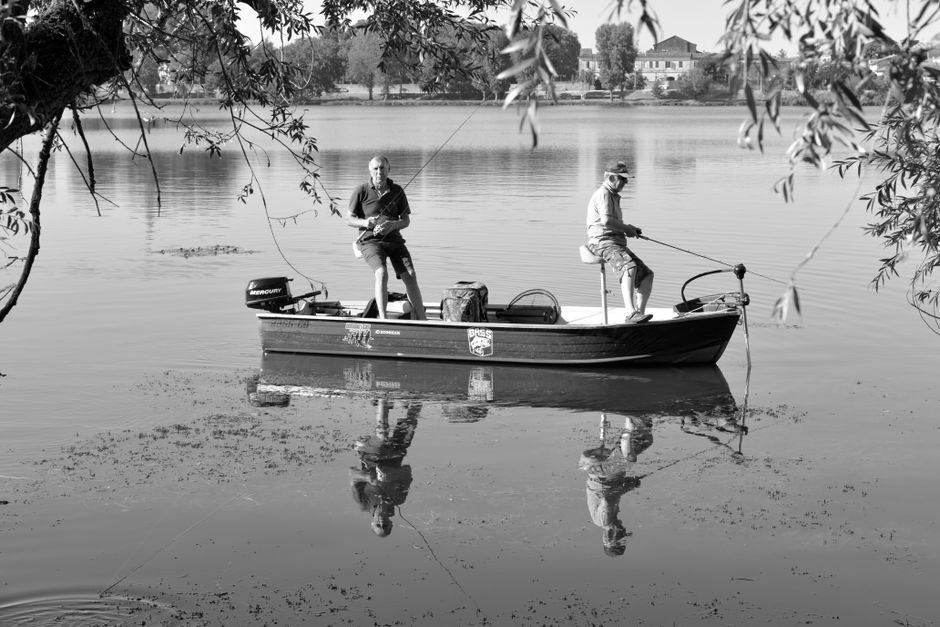
Winter ice conditions have become increasingly variable due to climate trends․ Guides now carry portable ice thickness gauges and help anglers assess safe fishing spots, thereby preventing accidents that could damage fragile aquatic ecosystems․ The DNR’s ice‑fishing regulations require a minimum thickness of 12 inches for single‑person use and 20 inches for groups, a standard that guides routinely verify․
Collaborative research with universities monitors macroinvertebrate diversity, a proxy for overall lake health․ Data from these studies inform adaptive management, ensuring that stocking rates and harvest limits remain aligned with ecological capacity․ Guide help now․