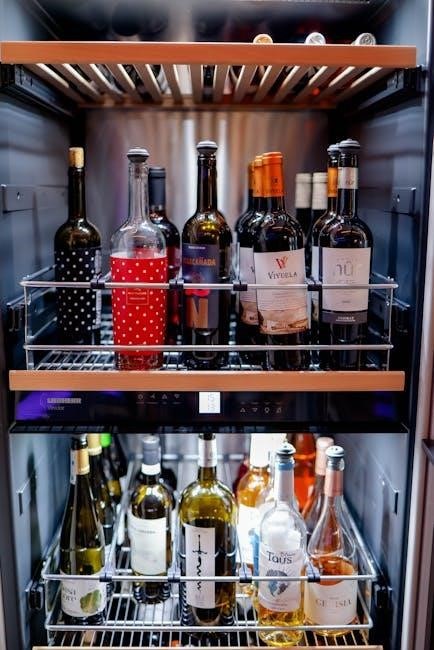
Refrigerator Temperature Log PDF: A Comprehensive Guide
Refrigerator temperature logs in PDF format are essential for maintaining food safety and regulatory compliance, offering a standardized way to record and track temperatures.
What is a Refrigerator Temperature Log?
A refrigerator temperature log is a documented record used to consistently monitor and track the temperature within refrigerators and freezers. Typically presented as a chart or sheet – often in PDF format for easy access and archiving – it details date, time, and temperature readings.
These logs are crucial for ensuring that perishable items, particularly food and medications, are stored at safe temperatures, preventing spoilage and maintaining their efficacy. Consistent logging provides a verifiable history of temperature control.
Why is Maintaining a Refrigerator Temperature Log Important?
Maintaining a refrigerator temperature log, often utilizing a convenient PDF format, is vital for several reasons. Primarily, it ensures food safety by verifying temperatures remain within safe ranges, preventing bacterial growth and spoilage.
Furthermore, accurate logs are often legally required, especially in healthcare and food service industries, demonstrating compliance with regulations. A detailed record aids in identifying temperature fluctuations, allowing for prompt corrective actions and protecting product integrity.
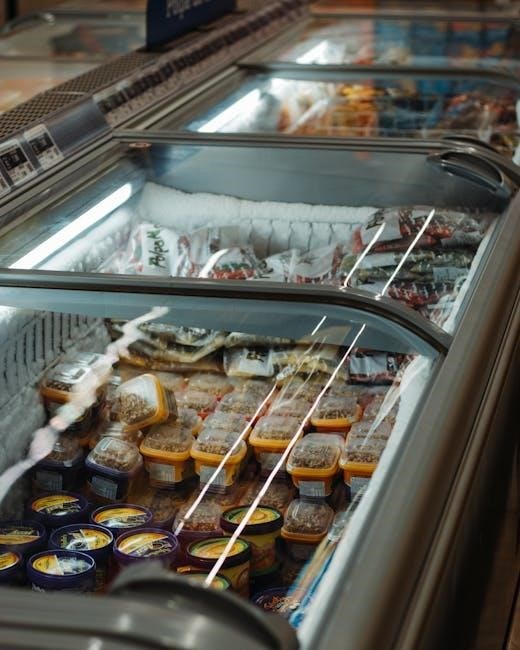
Types of Refrigerator Temperature Logs
Refrigerator temperature logs in PDF format vary, including daily, monthly, pharmacy-specific, and childminder versions, each tailored to unique monitoring needs and requirements.
Daily Refrigerator Temperature Log
Daily refrigerator temperature logs in PDF format are crucial for consistent monitoring, recording temperatures at set intervals – typically morning and evening – to ensure food safety. These logs meticulously document date, time, and temperature readings in both Celsius and Fahrenheit.
Staff initials or responsible person identification are vital for accountability. Space for notes allows recording any corrective actions taken if temperatures deviate from safe ranges. Utilizing a PDF ensures a standardized, easily archived record, essential for demonstrating due diligence in maintaining proper refrigeration conditions and adhering to health regulations.
Monthly Refrigerator Temperature Log
Monthly refrigerator temperature logs in PDF format provide a comprehensive overview of temperature control over an extended period. These logs consolidate daily readings, allowing for easy identification of trends and potential issues. A PDF format ensures consistent data presentation and facilitates long-term archiving for regulatory compliance.
The monthly view aids in spotting recurring temperature fluctuations, prompting investigation and preventative measures. Detailed records, including date, time, temperature, and staff initials, are essential for demonstrating adherence to food safety standards and maintaining data integrity throughout the month.
Pharmacy Refrigerator Temperature Log
Pharmacy refrigerator temperature logs in PDF format are critically important for maintaining the efficacy of medications and vaccines. These logs meticulously document temperature readings, often requiring more frequent monitoring than standard refrigerators, to ensure products remain within specified ranges;
PDF logs provide a secure and auditable record for inspections, demonstrating compliance with pharmaceutical storage guidelines. Staff initials are crucial for accountability, and any corrective actions taken must be clearly noted. Consistent, detailed logging is vital for patient safety and regulatory adherence.
Childminder Refrigerator Temperature Log
Childminder refrigerator temperature logs in PDF format are essential for safely storing food for children under their care. These logs ensure food remains at safe temperatures, preventing spoilage and potential health risks. Daily completion is typically required, documenting the date, time, and temperature readings.
A PDF format offers a simple, printable record for demonstrating due diligence to parents and regulatory bodies. Clear documentation of temperature control is vital for maintaining a safe and healthy environment for the children, and provides peace of mind.

Key Elements of a Refrigerator Temperature Log
Essential log elements include date/time, temperature readings (Celsius & Fahrenheit), refrigerator ID, staff initials, and a notes section for corrective actions.
Date and Time Recording
Accurate date and time stamping is paramount for a reliable refrigerator temperature log. Each temperature reading must be accompanied by a precise record of when it was taken. This allows for tracking temperature fluctuations throughout the day and identifying potential issues. Consistent time intervals – perhaps multiple times daily – are recommended, especially for sensitive items like pharmaceuticals.
Detailed records enable effective investigation if temperatures deviate from safe ranges, pinpointing when the issue began. Proper documentation supports compliance with food safety and healthcare regulations, demonstrating due diligence in maintaining appropriate storage conditions.
Temperature Readings (Celsius & Fahrenheit)
Recording temperatures in both Celsius and Fahrenheit provides flexibility and ensures accessibility for all users. Maintaining proper food and medication storage necessitates precise temperature monitoring; typically, refrigerators should be at or below 4°C (40°F). A well-designed log sheet includes clearly labeled columns for each unit of measurement.
Consistent use of both scales avoids confusion and facilitates data sharing. Accurate readings are crucial for demonstrating compliance with safety regulations and maintaining product integrity. Regular monitoring helps identify potential equipment malfunctions promptly.
Refrigerator/Freezer Identification
Clearly identifying each refrigerator and freezer is paramount when utilizing a temperature log. Each appliance should have a unique identifier – a name, number, or location code – recorded on the log sheet. This prevents confusion when multiple units are monitored within a single facility.
Proper identification ensures that temperature readings are correctly associated with the corresponding storage unit, vital for traceability and accountability. Accurate labeling streamlines investigations if temperature deviations occur, supporting effective corrective actions.
Staff Initials/Responsible Person
Including staff initials or the name of the responsible person for each temperature recording is a crucial element of a reliable log. This accountability measure establishes ownership and facilitates follow-up if discrepancies arise. Knowing who recorded the temperature encourages diligence and accurate data entry.
This practice is particularly important in settings like pharmacies and childcare facilities, where strict adherence to temperature protocols is legally mandated. Clear identification allows for easy contact and investigation of any temperature excursions.
Space for Notes/Corrective Actions
A dedicated section for notes and corrective actions is vital for a comprehensive refrigerator temperature log. This area allows staff to document any unusual occurrences, such as a door left ajar, power fluctuations, or equipment malfunctions.
Recording corrective actions—like adjusting the thermostat or moving sensitive items—demonstrates proactive problem-solving. Detailed notes provide context for temperature fluctuations and support investigations, ensuring continuous improvement in storage practices and maintaining data integrity.

Creating Your Own Refrigerator Temperature Log
PDF logs can be easily customized using spreadsheet software or pre-designed templates, adapting to specific needs for effective temperature monitoring and record-keeping.
Using Spreadsheet Software (Excel, Google Sheets)
Leveraging Excel or Google Sheets offers flexibility in creating tailored refrigerator temperature logs. Users can design columns for date, time, temperature readings (Celsius & Fahrenheit), refrigerator/freezer identification, and staff initials.
Formulas can automatically calculate averages and highlight temperature deviations. Spreadsheets allow for easy data analysis, charting trends, and generating reports.
PDF export functionality then transforms the spreadsheet into a secure, portable, and easily archived document, maintaining data integrity for compliance purposes. This method provides complete control over log design.
Utilizing PDF Templates
Employing pre-designed PDF templates streamlines the refrigerator temperature logging process. Numerous online resources offer downloadable templates specifically formatted for daily, monthly, or specialized applications like pharmacy or childcare settings.
These templates typically include pre-populated fields for essential data points – date, time, temperature, responsible staff, and notes.
PDFs ensure consistent formatting and prevent accidental data alteration, enhancing reliability. Simply open, fill, save, and print – a quick and efficient solution for maintaining accurate records.
Customizing Log Sheets for Specific Needs
While pre-made PDF templates are convenient, tailoring log sheets to unique requirements is often beneficial. PDF editing software allows modifications – adding specific equipment identifiers, adjusting temperature scales (Celsius & Fahrenheit), or incorporating extra fields for detailed notes.
For instance, pharmacy logs may necessitate fields for batch numbers, while childcare settings might require space for child names.
Customization ensures the log perfectly aligns with operational procedures, maximizing its effectiveness and relevance for accurate record-keeping.

PDF Features & Benefits for Temperature Logs
PDFs offer portability, security, and ease of archiving for temperature logs, ensuring data integrity and standardization across various storage environments.
Portability and Accessibility
PDF format excels in portability, allowing easy sharing and access to refrigerator temperature logs across different devices and platforms – computers, tablets, and smartphones. This accessibility is crucial for staff needing immediate access to records during inspections or when addressing temperature deviations.
Unlike spreadsheets requiring specific software, PDFs are universally readable with free viewers. This ensures anyone involved in food or pharmaceutical safety can readily review and understand the logged data, promoting transparency and accountability. Digital copies can be quickly emailed or stored in cloud services, enhancing convenience and disaster recovery preparedness.
Security and Data Integrity
PDFs offer robust security features to protect sensitive refrigerator temperature data from unauthorized alterations. Password protection can restrict access, ensuring only authorized personnel can view or modify the logs. This is particularly vital in pharmaceutical settings where data integrity is paramount for regulatory compliance.
Furthermore, PDFs maintain document formatting, preventing accidental changes to the log’s structure. Digital signatures can be added for non-repudiation, verifying the authenticity and origin of the recorded temperatures, bolstering trust and accountability in the data collection process.
Ease of Printing and Archiving
PDF format excels in printing reliability, ensuring consistent and accurate reproduction of refrigerator temperature logs regardless of the printer used. This is crucial for maintaining physical records required by some regulations or internal policies. Archiving PDFs is also remarkably simple and cost-effective.
PDFs compress file sizes without significant quality loss, allowing for efficient long-term storage on various media. Their universal compatibility guarantees accessibility for years to come, simplifying audits and demonstrating due diligence in temperature monitoring practices.
Standardization and Consistency
Utilizing a PDF template for refrigerator temperature logs promotes standardization across all users and locations. This ensures everyone records data in the same format, minimizing errors and simplifying data analysis. Consistency is paramount for accurate trend identification and effective corrective actions.
Pre-designed PDF logs eliminate variations in data fields and formatting, fostering a uniform approach to temperature monitoring. This streamlined process enhances data integrity and facilitates easier comparison of readings over time, supporting robust food safety protocols.

Legal and Regulatory Compliance
PDF refrigerator temperature logs are crucial for demonstrating adherence to food safety and pharmaceutical storage regulations, aiding inspections and audits.
Food Safety Regulations
PDF-based refrigerator temperature logs are vital for complying with food safety regulations established by agencies like the FDA and local health departments. These logs provide documented evidence that potentially hazardous foods are consistently stored at safe temperatures – typically 40°F (4°C) or below – minimizing the risk of bacterial growth and foodborne illnesses.
Maintaining accurate records, easily achieved with a PDF format, demonstrates due diligence during inspections. Proper logging helps prevent contamination, ensures product quality, and protects public health. Consistent temperature monitoring, documented via these logs, is a cornerstone of responsible food handling practices and legal compliance.
Pharmaceutical Storage Guidelines
Refrigerator temperature logs in PDF format are crucial for adhering to stringent pharmaceutical storage guidelines set by organizations like the CDC and USP. Many medications and vaccines require precise temperature control to maintain efficacy and patient safety, often between 2°C and 8°C (36°F and 46°F).
PDF logs provide a secure and auditable trail demonstrating consistent temperature maintenance. Detailed records, easily archived and retrieved, are essential during audits and inspections. Accurate temperature monitoring, documented with a PDF, safeguards product integrity and ensures compliance with regulatory standards for pharmaceutical storage.
Healthcare Facility Standards
Refrigerator temperature logs in PDF format are fundamental to meeting healthcare facility standards, including those set by organizations like The Joint Commission. Maintaining precise temperature control within refrigerators and freezers storing medications, vaccines, and biological samples is non-negotiable for patient safety and quality of care.
PDF logs offer a clear, documented history of temperature fluctuations, aiding in investigations and corrective actions. Consistent use of standardized PDF templates ensures compliance with internal policies and external regulations, demonstrating a commitment to best practices in healthcare storage management.

Troubleshooting Temperature Fluctuations
PDF temperature logs help identify patterns, pinpoint causes of fluctuations, and document corrective actions taken to maintain safe refrigerator and freezer temperatures.
Identifying Potential Causes
Utilizing a refrigerator temperature log PDF allows for systematic investigation when fluctuations occur. Common causes include door left ajar, excessive loading obstructing airflow, or a malfunctioning thermostat.
Reviewing the PDF log can reveal patterns linked to peak usage times or external factors. A consistently rising temperature might indicate a failing compressor or inadequate defrost cycle.
Analyzing the data recorded in the PDF helps determine if the issue is intermittent or ongoing, guiding troubleshooting steps and potentially preventing food spoilage or compromising sensitive materials.
Corrective Actions to Take
When a refrigerator temperature log PDF reveals deviations, immediate action is crucial. First, ensure the door is sealing correctly and not left open. Reduce the refrigerator’s contents to improve airflow, and check the thermostat setting.
Document all actions taken directly on the PDF log, including the time and date. If temperatures remain unstable, initiate a defrost cycle.
Consistent issues, as highlighted by the PDF, necessitate contacting a qualified technician for compressor or refrigerant evaluation, safeguarding stored items and maintaining compliance.
When to Contact a Technician
Reviewing your refrigerator temperature log PDF, consistently fluctuating temperatures despite corrective actions demand professional attention. If the unit fails to maintain safe temperatures after defrosting or adjustments, a technician is needed.
Unusual noises, ice buildup, or a malfunctioning thermostat, documented within the PDF, signal potential mechanical issues.
Prioritize technician contact for pharmaceutical refrigerators, as per storage guidelines, ensuring data integrity and preventing spoilage, as evidenced by the PDF records.

Analyzing Temperature Log Data
PDF temperature logs reveal trends; identifying patterns helps improve storage practices, ensuring consistent temperatures and preventing food spoilage through detailed documentation.
Identifying Trends and Patterns
Analyzing PDF-based refrigerator temperature logs allows for the identification of recurring temperature fluctuations. Consistent review can reveal patterns linked to specific times of day, door openings, or equipment performance.
Look for gradual temperature increases or decreases over time, indicating potential issues with the refrigerator’s cooling system. Spotting these trends early enables proactive maintenance, preventing potential food safety hazards.
PDF logs facilitate easy visual inspection of data, making it simpler to detect anomalies and establish a baseline for optimal temperature control. This data-driven approach enhances overall storage efficiency.
Using Data to Improve Storage Practices
PDF temperature logs provide valuable insights for refining refrigerator storage protocols. Analyzing logged data can pinpoint areas needing improvement, such as optimizing product placement to ensure even cooling.
Identifying consistent temperature deviations prompts adjustments to refrigerator settings or maintenance schedules. This proactive approach minimizes food spoilage and maintains regulatory compliance.
Data-driven decisions, informed by PDF log analysis, lead to more efficient energy usage and extended shelf life for stored items, ultimately enhancing operational effectiveness and safety.
Reporting and Documentation
PDF refrigerator temperature logs serve as crucial documentation for audits and inspections, demonstrating adherence to food safety or pharmaceutical storage standards.
These logs provide a clear, verifiable record of temperature control, essential for regulatory compliance and liability protection.
Regular reports generated from the PDF data facilitate trend analysis and proactive identification of potential issues, supporting continuous improvement and robust documentation practices within an organization.

Resources for Refrigerator Temperature Logs
Numerous online templates and commercial log books, often in PDF format, are available, alongside guidance from regulatory agency websites for effective temperature monitoring.
Online Templates and Downloads
A wealth of free and premium refrigerator temperature log templates in PDF format are readily accessible online. Websites offer downloadable sheets for daily, monthly, and specialized applications like pharmacy or childcare settings.
These templates often include pre-defined fields for date, time, temperature readings (both Celsius and Fahrenheit), responsible staff initials, and notes for corrective actions.
Searching for “refrigerator temperature log PDF” yields numerous options, allowing users to select a template that best suits their specific needs and operational requirements. Customization is often possible using PDF editing software.
Commercial Log Books
Beyond free downloads, commercially produced refrigerator temperature log books offer enhanced features and durability. These often come in pre-printed, bound formats designed for long-term use and easy record-keeping.
Commercial options frequently include multiple copies, sequential numbering for accountability, and space for detailed notes regarding any temperature excursions or corrective measures taken.
They are particularly valuable for businesses requiring robust documentation for audits and compliance, providing a professional and reliable solution for maintaining accurate temperature logs in PDF-compatible formats.
Regulatory Agency Websites
Numerous regulatory agencies provide downloadable refrigerator temperature log templates in PDF format, tailored to specific industries. These resources ensure compliance with food safety and pharmaceutical storage guidelines.
For example, health departments and food safety authorities often offer free, printable logs designed for restaurants and grocery stores.
Similarly, pharmaceutical regulatory bodies provide specialized logs for pharmacies and healthcare facilities, ensuring proper vaccine and medication storage documentation, readily available as PDF files.

Best Practices for Accurate Temperature Logging
Utilizing calibrated thermometers and consistent placement, alongside regular PDF log reviews, ensures reliable data for maintaining optimal refrigerator and freezer temperatures.
Calibration of Thermometers
Regular thermometer calibration is paramount for accurate refrigerator temperature logging using PDF formats. Thermometers drift over time, leading to inaccurate readings and potential food safety risks. Calibration involves comparing the thermometer’s reading to a known, accurate standard – like an NIST-traceable thermometer.
Documenting the calibration date and results directly on the PDF log sheet is crucial. If a thermometer fails calibration, it should be replaced immediately. Consistent calibration, ideally annually or more frequently for critical applications, guarantees the reliability of temperature data recorded in your PDF logs, supporting compliance and preventing spoilage.
Proper Thermometer Placement
Accurate temperature logging with a refrigerator temperature log PDF relies heavily on correct thermometer placement. Avoid placing thermometers directly against the refrigerator walls, near vents, or in door compartments, as these areas experience temperature fluctuations.
Instead, position the thermometer in the center of the refrigerator, representing the average temperature of stored items. For freezers, similar principles apply. Document the thermometer’s location on your PDF log sheet. Consistent placement ensures reliable data for food safety and regulatory compliance, maximizing the value of your temperature records.
Regular Log Review and Follow-Up
Consistent review of your refrigerator temperature log PDF is crucial for proactive food safety. Regularly analyze recorded temperatures – ideally daily – to identify any deviations from safe ranges.
Promptly investigate and document any temperature fluctuations, noting corrective actions taken within the log. Establish a clear follow-up procedure to ensure issues are resolved and prevent recurrence. This diligent approach, documented within your PDF, demonstrates commitment to maintaining optimal storage conditions and regulatory adherence.