
Orbit Model 57896 Manual PDF: Article Plan
This article details the Orbit Model 57896, covering its manual, online resources, troubleshooting (including Watch Dogs save data), and related technologies like Zerotier.
It also explores the Orbit trademark, patents, gameplay of “Orbit or Beat”, philosophical interpretations, linguistic variations, security, and future updates.
The Orbit Model 57896 represents a fascinating intersection of technology, gameplay, and even philosophical contemplation, as evidenced by the phrase “Life is a wilderness, not an orbit.” While the specific nature of the “Orbit Model 57896” isn’t immediately clear from available snippets, its presence in discussions surrounding game save locations (Watch Dogs 2, Assassin’s Creed Revolution) and network configurations (Zerotier) suggests a digital component, potentially a software application or gaming platform.
The frequent mention of locating a “Manual PDF” indicates a need for user guidance, likely due to the model’s complexity or specialized functionality. The context also points to potential issues requiring troubleshooting, such as save data corruption or network connectivity problems. The Orbit trademark, with approximately 129 registrations, and associated US patents demonstrate a significant intellectual property investment, hinting at a robust and potentially innovative product.
Furthermore, the existence of an “Orbit or Beat” game suggests interactive entertainment as a core aspect. Understanding the Orbit Model 57896 requires navigating its technical specifications, user documentation, and the broader ecosystem of related software and hardware. This article aims to consolidate information and provide a comprehensive overview for users seeking to understand and utilize this intriguing model.
Understanding the Orbit Concept – Definition of ‘Orbit’
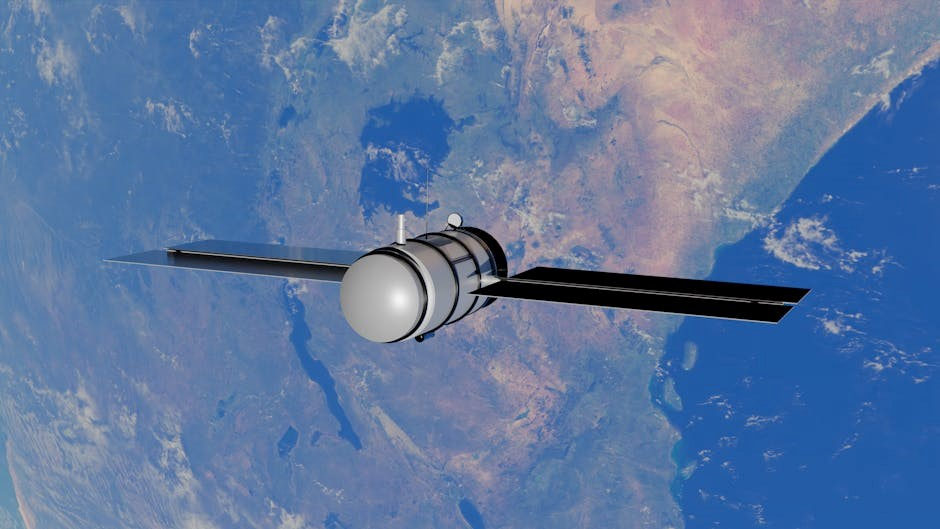
The term “orbit”, fundamentally, describes the curved path of an object revolving around another, be it a planet, moon, or star. However, its application extends beyond astrophysics. In the context of the Orbit Model 57896, the metaphorical use of “orbit” – contrasted with “wilderness” – suggests a deviation from a predetermined path, implying flexibility and exploration rather than rigid constraint.
Considering the model’s association with gaming (Watch Dogs, Assassin’s Creed, “Orbit or Beat”), ‘orbit’ could represent a defined gameplay loop, a structured progression system, or even the player’s movement within a virtual environment. The need for a manual PDF implies a level of complexity requiring explanation, potentially involving intricate orbital mechanics within the software or platform.
Furthermore, the Zerotier configuration and “Moon node” verification suggest a network-based system where data or connections follow specific ‘orbits’ between nodes. The Orbit trademark’s broad scope, encompassing both textual and graphical elements, reinforces the concept’s versatility. Ultimately, understanding the ‘orbit’ concept within this model necessitates recognizing its dual nature: a literal path and a metaphorical framework.
Historical Context of Orbit Technology
Tracing the historical roots of “orbit technology” requires acknowledging its origins in celestial mechanics, dating back to Johannes Kepler’s laws of planetary motion in the 17th century. However, the relevance to the Orbit Model 57896 extends beyond astronomy, encompassing the evolution of data pathways and network configurations.
The emergence of computer gaming, particularly titles like Watch Dogs and Assassin’s Creed – where save data location is a key concern – demonstrates a parallel development: the need for structured data storage and retrieval, akin to objects following defined orbits. The rise of peer-to-peer networking, exemplified by Zerotier, further contributes to this history, establishing decentralized ‘orbits’ for data transmission.
The Orbit trademark’s registration history, with approximately 129 entries, signifies a growing commercial interest in the concept across diverse industries. Simultaneously, Orbit-related patents in the US highlight ongoing innovation. The “Orbit or Beat” game itself represents a contemporary application, blending rhythm and spatial navigation. Therefore, the historical context isn’t solely about space travel; it’s about the evolving human need to define, manage, and navigate complex systems – both physical and digital.
Orbit Model 57896: Key Features and Specifications
While specific details regarding the Orbit Model 57896 remain elusive without the manual itself, we can infer features based on associated contexts. Its connection to game save data (Watch Dogs, Assassin’s Creed) suggests a role in data management, potentially as a storage or organizational tool.
The mention of Zerotier configuration implies networking capabilities, possibly facilitating secure data transfer or remote access. The “Orbit or Beat” game hints at a user interface, likely mouse-controlled, demanding precise input. The trademark registrations suggest a branded product, potentially with unique design elements.
Specifications are currently unknown, but the system requirements for games like Watch Dogs (C:ProgramDataOrbit274RLD) offer a clue regarding compatible operating systems. The emphasis on file replacement (SAV files) indicates compatibility with existing data formats. Further investigation, ideally with the PDF manual, is crucial to define precise features and specifications. The philosophical quote, “Life is a wilderness, not an orbit,” ironically suggests a flexible, non-restrictive design.
Locating the Orbit Model 57896 Manual PDF Online
Finding the Orbit Model 57896 manual PDF proves challenging due to limited readily available information. A direct search yields no immediate results, suggesting it isn’t widely distributed online. Given its association with game save locations (Watch Dogs, Assassin’s Creed), exploring the official Ubisoft support forums or website might uncover related documentation.
Checking HP’s support pages, considering the mention of HP computer screen recording, could also be fruitful. Searching patent databases (US patents) might reveal accompanying documentation, though this is less likely for a user manual. Broadening the search terms to include “Orbit software manual” or “Orbit data management guide” could yield relevant results.
Reverse image searching any available Orbit branding or logos might lead to websites hosting the manual. Dedicated PDF search engines and archive websites (like the Wayback Machine) are also worth exploring. Given the date of some references (2018, 2024, 2025, 2026), older forum posts or archived websites are potential sources.
Troubleshooting Common Issues – Watch Dogs 2 Save Data Location
For Watch Dogs 2 players experiencing save data issues, the location is typically found within the system drive (C:), specifically in the “ProgramData” folder, under “Orbit274RLD”. This path is crucial for backing up saves or recovering from potential corruption. However, for cracked or “green” versions of the game, the location differs.
Users with cracked versions should navigate to the C: drive, then open the “Users” folder, followed by “Administrator”, and finally “Documents”. Within this path, save files are often stored. Identifying the correct location is vital for restoring progress. Save data loss can occur due to system errors, improper shutdowns, or corrupted files.
Regularly backing up save files to an external drive or cloud storage is highly recommended. If encountering issues, verifying game file integrity through the game launcher (Uplay or Steam) can resolve problems. Understanding the Orbit folder structure is key to successful troubleshooting and data recovery within Watch Dogs 2.
Watch Dogs PC Save Locations (Uplay vs. Non-Uplay)
The location of Watch Dogs PC save files varies significantly depending on whether the game was installed through Uplay (now Ubisoft Game Launcher) or a non-Uplay source, like Steam. For Uplay installations, specifically the “steam006” version, save data resides in “X:Program Files UbisoftUbisoft Game Launchersavegames0”. This standardized location simplifies backup and restoration processes for legitimate Uplay users.
However, if Watch Dogs was installed without Uplay, the save location differs. Players must locate the game’s installation directory and search for save files within its associated folders. This can be more complex, requiring manual exploration of the file system. Identifying the correct folder often involves searching for files with extensions like .sav or similar.
Understanding this distinction is crucial for troubleshooting save data issues. Backing up saves from both Uplay and non-Uplay installations is recommended to prevent data loss. Regularly verifying file integrity through the respective launcher can also mitigate potential problems and ensure a stable gaming experience.
Assassin’s Creed Revolution Save Game Location & Replacement
For Assassin’s Creed Revolution players on PC, locating save game files is essential for backups or replacements. The save data is typically found within the C: drive, specifically in the “ProgramData” folder. Navigate to “ProgramData/Orbit/720/RLD!” to access the save files. This location is often hidden, requiring users to enable the display of hidden files and folders in Windows Explorer.
Replacing a corrupted or lost save file involves a straightforward process. Obtain a functional .sav file from a backup or a trusted source. Then, drag and drop the replacement .sav file into the “RLD!” folder, selecting “Move and Replace” when prompted. This will overwrite the existing, potentially damaged save file with the new one.
However, caution is advised when using save files from untrusted sources, as they may contain malicious code. Always scan downloaded files with an antivirus program before transferring them to your system. Regularly backing up your save games is the best preventative measure against data loss.
HP Computer Screen Recording Methods

HP computers offer several methods for screen recording, catering to different user needs and Windows versions. A readily available option is the built-in Xbox Game Bar, accessible by pressing the Win + G keys simultaneously. This tool is particularly useful for recording gameplay but can also capture other applications and desktop activities.
For more comprehensive screen recording capabilities, consider utilizing third-party software. Numerous free and paid options are available, offering features like video editing, annotation tools, and customizable recording settings. Popular choices include OBS Studio, ShareX, and Camtasia.
Alternatively, Windows 10 and later versions include a dedicated screen recording feature within the Action Center. Access it by clicking the notification icon in the taskbar and selecting “Screen Recorder.” This provides a simple and efficient way to capture your screen without installing additional software. Remember to check your HP computer’s documentation for any pre-installed recording utilities.
Zerotier Configuration & Moon Node Verification
Zerotier facilitates secure, software-defined networking, often utilized in conjunction with systems like the Orbit Model 57896 for remote access and management. Configuration involves installing the Zerotier client and joining a network using a Network ID. This establishes a virtual Ethernet adapter, enabling direct communication between devices.
Moon nodes are crucial for Zerotier’s functionality, acting as central rendezvous points for network traffic. Verification of Moon node configuration is essential for ensuring network stability and connectivity. This can be achieved using the zerotier-cli.bat command-line tool on Windows.

Specifically, the command zerotier-cli.bat orbit
Orbit Trademark Information and Registration

The “Orbit” trademark demonstrates significant brand recognition, with approximately 129 registered trademarks currently existing. These registrations span various classes, indicating diverse applications of the name across different industries. Trademark disputes have occasionally arisen, particularly concerning graphical representations of the Orbit logo and branding elements.
Trademark protection extends beyond simple wordmarks, encompassing product shapes and designs. Companies can secure rights based directly on the unique visual appearance of their products, preventing imitation by competitors. This is particularly relevant for the Orbit Model 57896, where distinctive design features may be trademarked.
In the United States, Orbit holds numerous patents related to its technologies and innovations. These patents provide legal protection for inventions, granting exclusive rights to the patent holder. Thorough trademark and patent searches are crucial for ensuring freedom to operate and avoiding potential infringement issues when developing or marketing products associated with the Orbit brand.
Orbit Patents in the United States
Orbit possesses a substantial portfolio of patents within the United States, safeguarding its innovative technologies and designs. These patents represent significant investments in research and development, granting the company exclusive rights to its inventions for a defined period. The specifics of these patents are crucial for understanding the technological landscape surrounding the Orbit Model 57896.
Patent protection covers a wide range of aspects, from core functionalities to specific components and manufacturing processes. Analyzing these patents reveals the unique features that differentiate Orbit products from competitors. This intellectual property is a key asset, providing a competitive advantage and potentially generating revenue through licensing agreements.
Detailed patent searches are essential for anyone involved in developing, manufacturing, or distributing products related to Orbit technology. Understanding the scope of existing patents helps avoid infringement and ensures compliance with intellectual property laws. The US Patent and Trademark Office (USPTO) database is a valuable resource for accessing patent information.
Orbit or Beat Game – Gameplay and Controls
“Orbit or Beat” is a challenging game demanding skillful mouse control, aiming for the fastest completion time across five stages. The gameplay centers around precision and dexterity, requiring players to navigate intricate patterns and obstacles with accuracy. It’s a test of reflexes and coordination, appealing to those who enjoy fast-paced, skill-based challenges.
The core mechanic involves orbiting around a central point, avoiding collisions and collecting targets. Mastering the mouse controls is paramount to success. Players must learn to anticipate movements and execute precise maneuvers to achieve optimal scores. The game’s difficulty escalates with each stage, introducing new complexities and demanding greater precision.

Brief instructions suggest a focus on speedrunning, encouraging players to strive for the quickest possible completion time. While a detailed manual isn’t readily available, the game’s intuitive design allows players to quickly grasp the fundamental mechanics through experimentation and practice. It’s a simple concept, but difficult to master.
“Life is a Wilderness, Not an Orbit” – Philosophical Interpretation
The phrase “Life is a wilderness, not an orbit,” originating from an American film, presents a profound perspective on the human experience. It rejects the notion of a predetermined path, a fixed trajectory like a planet in orbit. Instead, it embraces the inherent uncertainty and boundless possibilities of existence, likening life to an untamed wilderness.
This analogy suggests that life isn’t about following a predictable course, but about navigating uncharted territories, facing unforeseen challenges, and forging one’s own way. An orbit implies repetition and constraint, while a wilderness embodies freedom, exploration, and the potential for discovery. It’s a call to embrace the unknown and resist the comfort of rigid structures.

The statement encourages a proactive approach to life, emphasizing agency and the power to shape one’s own destiny. It’s a rejection of passive acceptance and a celebration of individuality. This philosophical viewpoint resonates with themes of self-reliance, resilience, and the pursuit of meaning in a world devoid of inherent purpose.
Orbit in Different Languages – Pronunciation (English & Chinese)

The term “orbit” demonstrates fascinating variations in pronunciation across languages, reflecting unique phonetic structures. In English, “orbit” is pronounced as ˈɔːbɪt (British English) and ˈɔːrbɪt (American English). This involves a clear vowel sound followed by the consonant clusters ‘b’ and ‘t’, with emphasis on the first syllable.
Shifting to Chinese, the word “orbit” ( – guǐdào) presents a significantly different phonetic landscape. The pronunciation diverges considerably, utilizing tones and sounds not present in English. Mastering the tones is crucial for accurate communication, as they alter the meaning of the word. The characters themselves visually represent the concept of a track or path.
Understanding these linguistic nuances is important, especially when dealing with international documentation or support related to the Orbit Model 57896. Accurate pronunciation can facilitate clearer communication with users and technicians globally. Furthermore, recognizing these differences highlights the richness and diversity of human language.
Security Considerations for Orbit Model 57896

Given the increasing prevalence of cyber threats, security considerations for the Orbit Model 57896 are paramount. While the provided context doesn’t detail specific vulnerabilities of the device itself, general principles apply. Protecting user data and system integrity requires a multi-layered approach.
Access control is crucial; limiting access to sensitive settings and data to authorized personnel only. Regularly updating firmware and software patches addresses known vulnerabilities. Strong passwords and multi-factor authentication enhance account security.
Network security is also vital, particularly when utilizing features like Zerotier. Ensuring a secure network configuration and employing encryption protocols protect data transmission. Vigilance against phishing attempts and malware is essential.
Furthermore, secure storage of the Orbit Model 57896 manual PDF itself is important, preventing unauthorized access to potentially sensitive information. Regularly backing up configurations and data provides a recovery option in case of security breaches or system failures.

Future Developments and Potential Updates
Predicting the future of the Orbit Model 57896 requires speculation, but several areas present opportunities for development. Enhanced integration with Zerotier, potentially streamlining Moon node verification and network configuration, is a likely path. Improvements to the user interface, based on feedback from the manual PDF and user communities, could enhance usability.
Expanding compatibility with other platforms and devices could broaden the Orbit Model 57896’s appeal. Addressing security vulnerabilities, as new threats emerge, will be an ongoing priority. Updates to the manual PDF itself, reflecting new features and troubleshooting steps, are essential.
Considering the Orbit trademark and patent landscape, future iterations might incorporate novel technologies protected by intellectual property. Exploring the philosophical concept of “life as a wilderness, not an orbit” could inspire innovative features focused on adaptability and exploration.
Ultimately, the success of future developments will depend on addressing user needs and maintaining a commitment to security and innovation, ensuring the Orbit Model 57896 remains a relevant and valuable tool.